European Gardens as Third Spaces: A Photo Essay
In an increasingly digital and fast-paced world, physical spaces where people can gather informally are just as rare as they are needed, especially in the United States. Urban gardens across Europe offer an ideal case study for such “third spaces”—a term coined by sociologist Ray Oldenburg to describe environments that are neither home (first space) nor work (second space), but instead those that are accessible and serve as spaces of community and interaction (Roberts-Ganim 2023).
Europeans utilize public gardens as sites of leisurely belonging and connection. My photos documenting scenes from Luxembourg and Tuileries Gardens in Paris and the Boboli Gardens in Florence are not merely an assessment of their beauty, but rather serve to symbolize the communal importance of such historic spaces. These photos emphasize how these iconic gardens exemplify the key qualities of third spaces and tell stories of community and democracy.
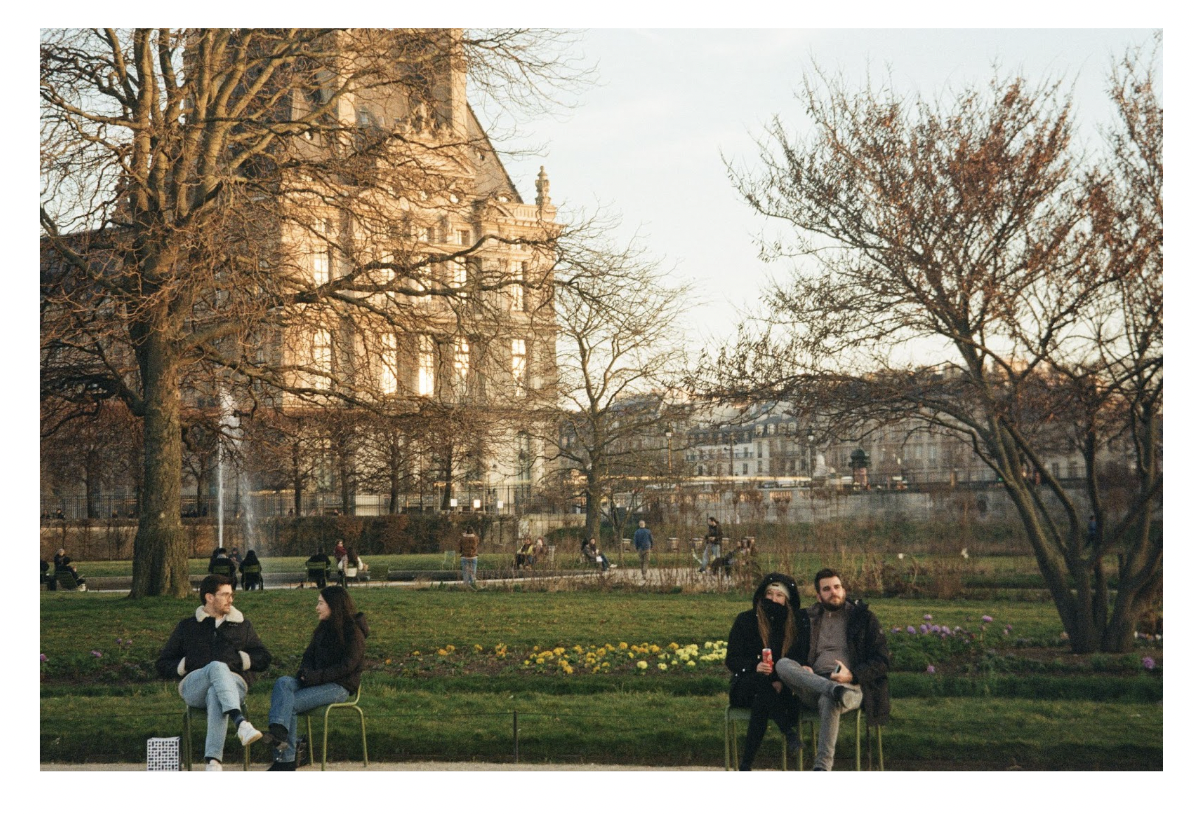
Tuileries Garden, Paris, France, 2025
In this first photo, two couples are pictured sitting together at Tuileries Gardens in Paris, France. In the background, there are other Parisians sitting, walking, and standing together. There are no physical boundaries between them – the chairs are moveable, the space undefined. There is a deep sense of community in this photo. There is an anonymity to the subjects, which ultimately represents the communal nature of third spaces and the transient nature of their occupants.
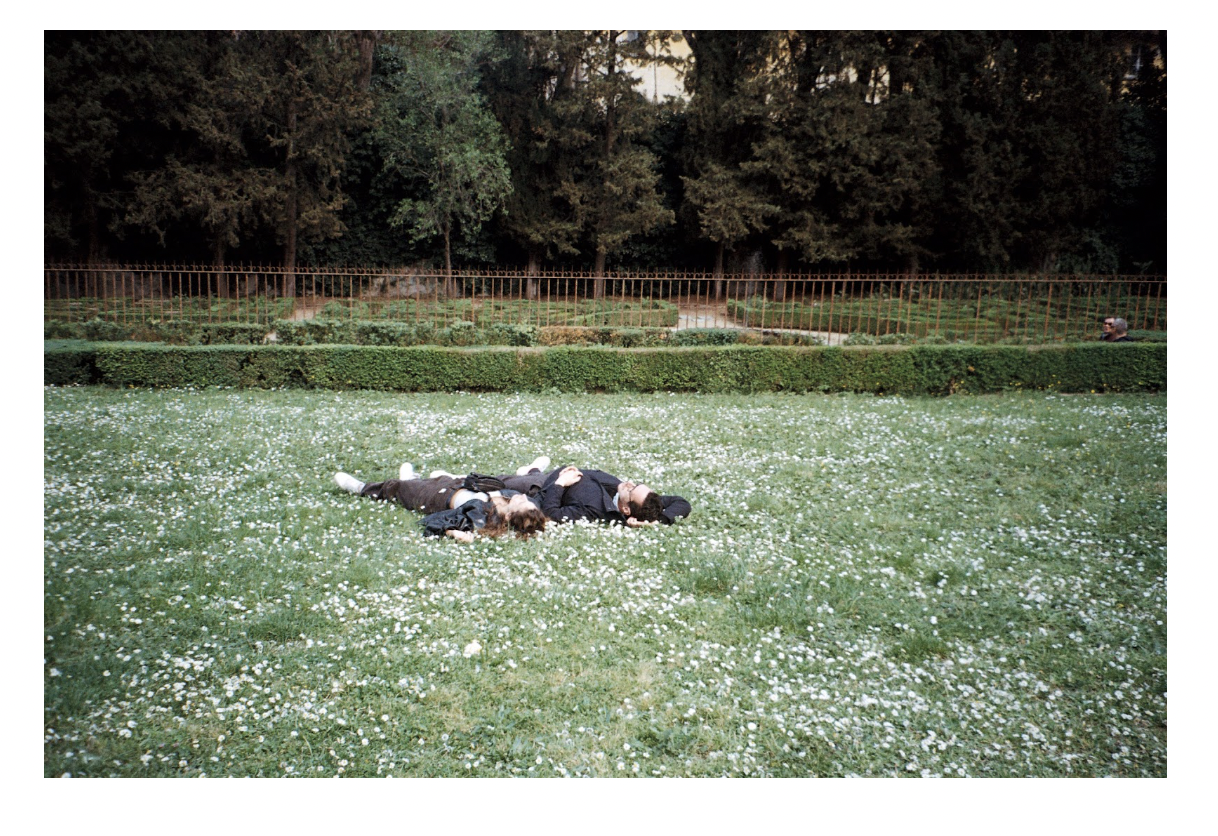
Boboli Gardens, Florence, Italy, 2025
In this photo taken at the Boboli Gardens in Florence, Italy, there is a clear sense of emotion and unity emphasized by the contrast of the subjects against a flower-laden field of grass. The freedom of these individuals is underscored by a physical environment that seems to bring groups of individuals together, regardless of social strata or other factors.
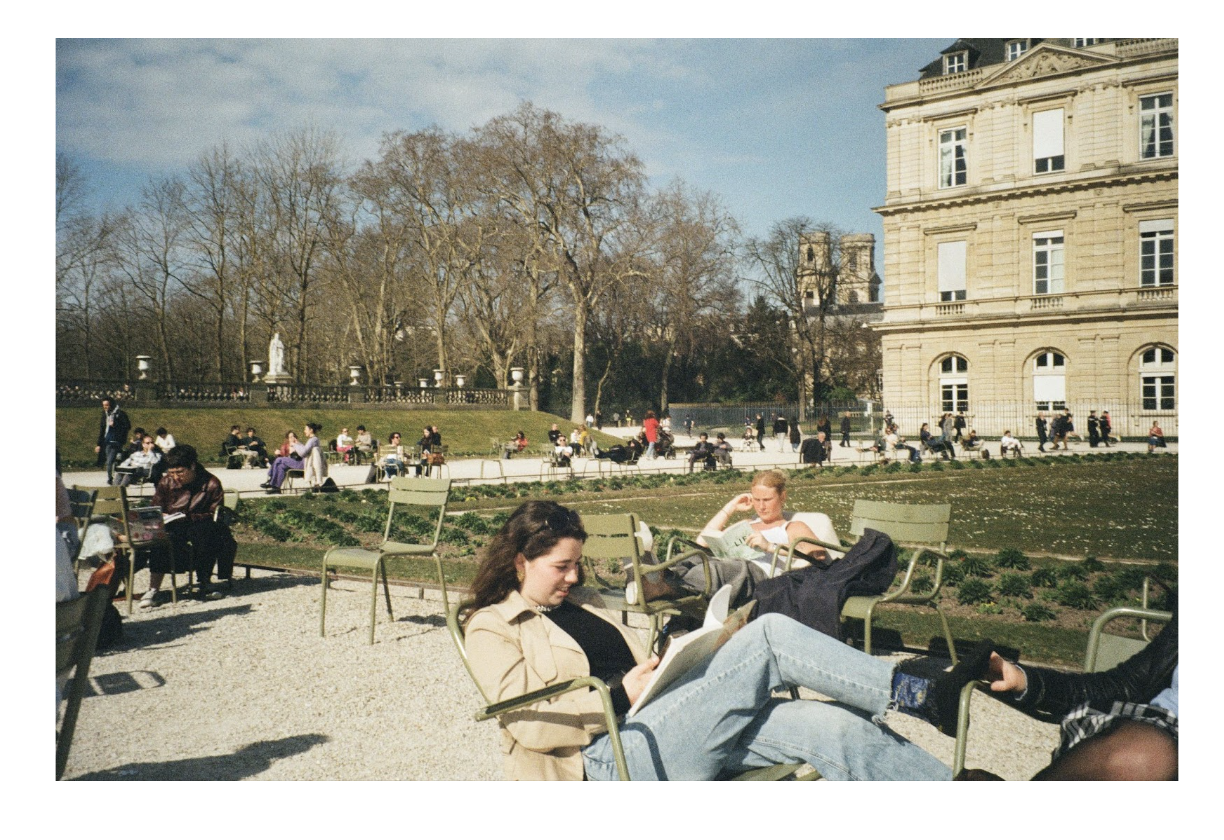
Luxembourg Garden, Paris, France, 2025
Against the backdrop of an iconic, historic Paris building – The Luxembourg Palace – people convene in the Luxembourg Gardens, reading books, chatting, and observing. Again, there is no separation of space besides the existence of freely placed chairs, diminishing the barriers between strangers that usually exists in daily life. Conversations are overheard by adjacent visitors, extended feet are encouraged. There is an informality here that juxtaposes the norms of daily Parisian life, a signifier of this garden as a catalyst for community and unity.
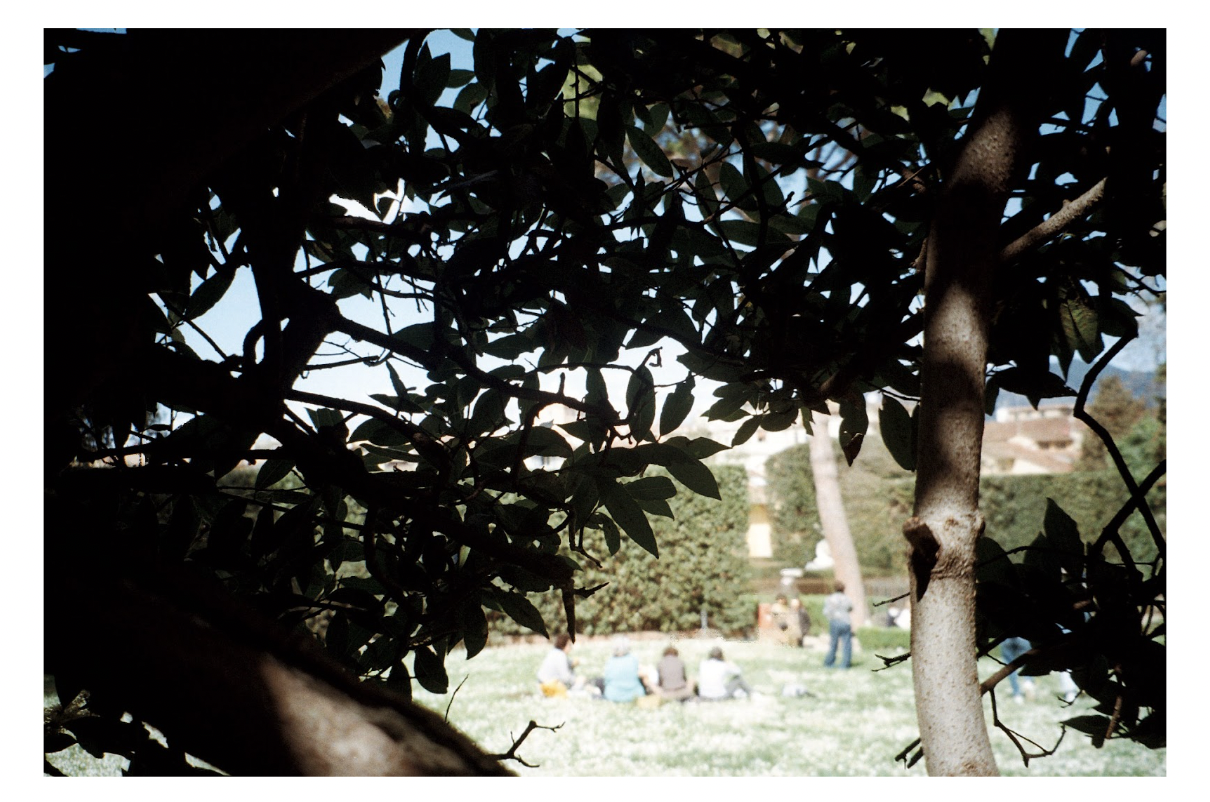
Boboli Gardens, Florence, Italy, 2025
Through shaded trees, a few groups of friends or acquaintances are visible. They’re having a picnic, chatting and laughing. The camera is an onlooker into these intimate and friendly interactions. Essentially, this photo is a symbol of cultural differences and the perspective of an American in a European country, shocked by the collaborative nature of third spaces.
Gardens across Europe, though different in geography and design, serve remarkably similar functions as third spaces. They are flexible, inclusive, and profoundly human — something the United States would indubitably benefit from.